There is a 100% cure for Miller-Fisher Syndrome (MFS) in Ayurveda
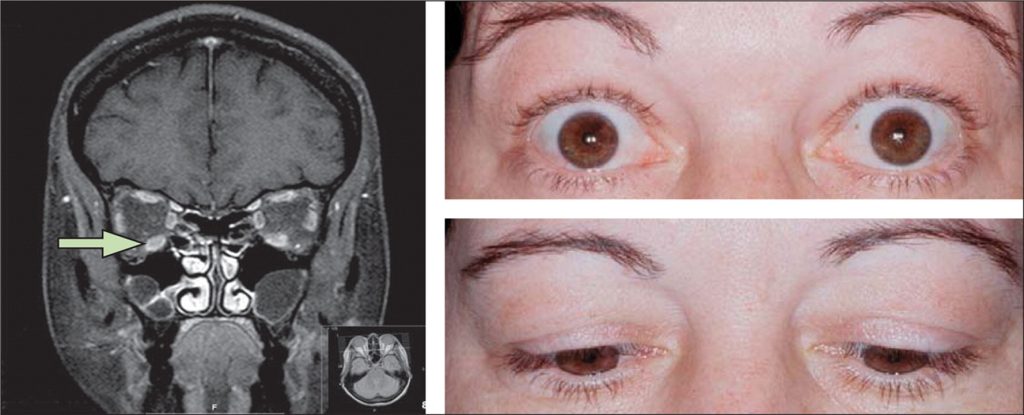
Miller-Fisher Syndrome is a subtype of Guillain-Barre syndrome (BGS), which is a severe acute paralytic neuropathy. The prevalence is 2.7 per 1,00,000 per year. The condition is observed more in men than women and has seasonal fluctuations. MFS is characterized by a rapid onset of symptoms like-
- Ophthalmoplegia: It is paralysis or weakness of the eye muscles.
- Ataxia: Lack of coordination and unsteadiness, resulting from the brain’s failure to regulate the body’s posture, strength, and direction of limb movements.
- Areflexia: It is the absence of reflexes, particularly in the muscles.
In Ayurveda, MFS can be related to “Ati mukta bandhane”, which denotes ‘Ptosis’, ‘Ophthalmoplegia’, or ‘Strabismus’. Miller-Fisher Syndrome (MFS) is an immune-mediated neuropathy marked by ophthalmoplegia (ati mukta bandhane), ataxia, and areflexia. Ptosis (ati mukta bandhane) is typically caused by age-related stretching and dehiscence of the levator aponeurosis. Other possible reasons include neurogenic (e.g., third-nerve palsy, MG, and HS), traumatic, congenital, mechanical (eyelid tumours), or myogenic.
Let’s further elaborate on the causes and treatment of Miller-Fisher syndrome in Ayurveda.
Causes of MFS, according to Ayurveda
The causes of diseases in Ayurveda are understood through the concepts of dosha imbalances, toxin accumulation (ama), and disruptions in the body’s natural cycles and functioning. Although Miller-Fisher Syndrome (MFS) is not directly discussed in early Ayurvedic texts, its symptoms and underlying causes can be understood using the Ayurvedic framework. Below are some possible Ayurvedic perspectives on the aetiology of MFS:
1. Vata Dosha Imbalance
Vata dosha: It governs mobility, communication, and the neurological system in the body. An imbalance in Vata can cause nervous system diseases such as paralysis, lack of coordination, and other neurological symptoms associated with MFS.
Causes of Vata Imbalance: Irregular lifestyle, excessive physical or mental activity, inappropriate diet (dry, cold, and light foods), insufficient rest, and chronic stress.
2. Ama Accumulation
Ama: The undigested or improperly metabolised chemicals collect in the body, blocking channels (srotas) and disrupting normal functioning.
Causes of ama: It includes poor digestion due to a lack of digestive fire (Agni), improper eating habits, ingestion of incompatible foods, and poor lifestyle choices.
Impact of ama: It includes impaired neurological systems and immunological responses, which can lead to autoimmune reactions and nerve inflammation.
3. Autoimmune Reactions
While Ayurveda does not use the term “autoimmune,” it does recognise the body’s innate defence mechanisms (Ojas) and how they might be damaged.
Weak Ojas: A weakened immune system can result in inappropriate immunological responses. In MFS, this can be seen as the body’s defence mechanisms assaulting its neurological system.
Causes of weak Ojas: Chronic sickness, extended stress, poor diet, and lifestyle issues can all contribute to weak Ojas.
4. Prakruti (constitution) and Vikruti (Imbalance)
Each individual has a distinct constitution (Prakruti) defined by the balance of their doshas at birth. The disease develops when this normal state is disrupted (vikruti).
Individual Susceptibility: Some people may be more predisposed to vata-related diseases due to their natural constitution.
5. Agantuka (external factors)
Infections: Ayurveda recognises that extrinsic influences, such as infections, can cause diseases. Viral or bacterial infections that precede MFS might be viewed as external influences that alter dosha equilibrium and result in sickness.
Environmental and Lifestyle Factors: Cold, wind, prolonged travel, irregular routines, and inappropriate food can all vitiate vata and contribute to the manifestation of symptoms.
Potential Ayurvedic Treatment for MFS
MFS symptoms such as paralysis, lack of coordination, and loss of reflexes can be linked to Vata dosha imbalance. Vata controls the neurological system, movement, and coordination in the body. Hence, the line of treatment for MFS in Ayurveda consists of balancing vata dosha.
Therapy | Benefits | Herbs Used |
Deepan Pachana | Improving digestion and metabolism to eliminate toxins (ama) and balance doshas. | Herbal formulations like Trikatu (a blend of ginger, black pepper, and long pepper) can enhance digestive fire. |
Mridu Virechan | Gentle purgation therapy to cleanse the body, specifically targeting Pitta dosha. | Herbs like Triphala can be used for a mild detoxifying effect. |
Basti (Medicated Enema) | Highly beneficial for vata disorders, basti involves the administration of herbal decoctions or oils through the rectum. | Anuvasana Basti (oil enema) and Niruha Basti (decoction enema) can be tailored to balance Vata and support nerve function. |
Seka (Pouring of liquid) | Pouring medicated liquids over affected areas to soothe and heal. | Seka with warm herbal oils or decoctions over the eyes can help with ophthalmoplegia. |
Aschyotan (eye drops) | Administering medicated eye drops for eye-related symptoms. | Herbal eye drops, like Triphala eye drops, can be beneficial for strengthening and soothing the eyes. |
Akshi Tarpan (eye nourishment) | Retaining medicated ghee or oils over the eyes. | Ghee infused with Triphala or other herbs can nourish and strengthen eye muscles. |
Nasya (nasal administration of medications) | Administration of medicated oils or powders through the nose to clear channels and improve nervous function. | Anu Taila or Ksheerabala Taila can be used for nasya to support the nervous system. |
Anjana (collyrium) | Application of medicated paste to the eyes to enhance vision and eye health. | Herbal pastes like Saptamrita Lauh or Saubhagya Sunthi can be used. |
Additional Ayurvedic Practices for MFS
Diet and Lifestyle: Following a Vata-balancing diet and lifestyle that includes warm, nourishing foods, consistent routines, and avoiding stress.
Yoga and Pranayama: Gentle yoga postures and breathing exercises can aid with coordination, balance, and overall health.
Herbal Supplements: Herbs like Ashwagandha, Brahmi, and Shankhapushpi can help the nervous system and encourage recovery.
Conclusion
While Ayurveda provides a comprehensive and integrative approach to managing MFS, it is important to note that a 100% cure cannot be guaranteed for any medical condition, including MFS. The effectiveness of Ayurvedic treatments depends on various factors, including the severity of the condition, the individual’s overall health, adherence to prescribed therapies, and the expertise of the Ayurvedic practitioner.
Combining Ayurvedic treatments with conventional medical care may offer the best outcomes for managing MFS. Regular monitoring, a supportive care environment, and an integrative approach can significantly enhance the quality of life and promote recovery for individuals with MFS. Always consult with a qualified Ayurvedic practitioner and healthcare provider to create a tailored treatment plan that addresses your specific needs and circumstances.