Complete understanding of Postural Orthostatic Tachycardia Syndrome (POTS) in Ayurveda
We all remember the symptoms of COVID-19, including lightheadedness, brain fog, weakness, fatigue, nausea, headaches, etc… These are the symptoms of POTS. It became more common after COVID-19. But what exactly is POTS?. Postural orthostatic tachycardia syndrome (POTS) is characterized by a significant rise in heart rate when sitting or standing. POTS is an autonomic nervous system condition that causes a wide range of symptoms.
It includes lightheadedness, brain fog, blurred vision, weakness, fatigue, headaches, heart palpitations, exercise intolerance, nausea, decreased concentration, tremulousness (shaking), syncope (fainting), coldness or pain in the extremities, numbness or tingling in the extremities, chest pain, and shortness of breath. Now, if you know the basics of Ayurveda, you may regard this as an imbalance in the vata dosha. As POTS is a complex and multifaceted clinical disorder, it doesn’t have a direct one-to-one equivalent term. It can be understood within the framework of Ayurvedic concepts.

Ayurvedic understanding of Postural Orthostatic Tachycardia Syndrome
POTS involves issues related to the autonomic nervous system, causing symptoms like rapid heartbeat upon standing, dizziness, and fatigue, which can be linked to imbalances in the body’s doshas, particularly the Vata dosha. Ayurveda views conditions involving irregular heart rate, blood pressure, dizziness, and fatigue as imbalances in Vata dosha. Vata governs movement and nerve impulses, and its imbalance can lead to the kinds of symptoms seen in POTS.
Functions of vata dosha
Vata is associated with movement and is considered the most important dosha due to its influence over the other two. The primary functions of Vata dosha include:
Functions | Explanation |
Movement | Governs all types of movement in the body, including the movement of muscles and joints, the flow of breath, and the circulation of blood. Facilitates the movement of thoughts and emotions in the mind. |
Nervous system regulation | Controls the functioning of the nervous system, including sensory and motor activities. Influences the transmission of nerve impulses and communication between the brain and body. |
Circulation | Regulates the flow of blood and other bodily fluids. Ensures the proper distribution of nutrients and oxygen throughout the body. |
Breathing | Manages the process of respiration, including inhalation and exhalation. Influences the rhythm and depth of breathing. |
Elimination | Controls the elimination of waste products from the body, including faeces, urine, and sweat. Manages bowel movements and urination. |
Sensory and motor functions | Governs the function of the sensory organs (eyes, ears, nose, tongue, and skin). Influences motor functions and coordination. |
Mental activities | Influences mental functions such as cognition, understanding, memory, and concentration. Governs creativity, enthusiasm, and mental agility. |
Speech | Regulates the function of speech and communication. Influences vocal expression and clarity of speech. |
Heartbeat and pulse | Controls the rhythm and rate of the heartbeat and pulse. Ensures proper functioning of the cardiovascular system. |
Hence, it can clearly be noted that an imbalance in the vata dosha leads to symptoms of POTS.
Hridya roga
It is another analogy for POTS. Conditions related to the heart (hridya) can be linked to symptoms like tachycardia. Ayurvedic texts describe various heart-related disorders that can be associated with POTS symptoms. Here’s how they are interconnected.
- Vata Imbalance:
Symptoms of Hridaya Roga (particularly those associated with Vata imbalance) and POTS include palpitations, dizziness, and weariness.
Mechanism: Vata dosha governs movement, including heartbeat and circulation. An imbalance in Vata can cause abnormal cardiac rhythms and poor blood circulation, which are similar to the symptoms of POTS.
- Autonomic Dysfunction:
POTS is largely a condition of the autonomic nervous system, which regulates involuntary body activities including heart rate and blood pressure.
In Ayurveda, Vata dosha influences the function of the autonomic nervous system. An imbalance in Vata can cause autonomic dysfunction, resulting in the cardiovascular symptoms seen in POTS.
- Ojas & Bala:
Depletion: In both Hridaya Roga and POTS, there can be a loss of Ojas (vital
essence) and Bala (strength), resulting in exhaustion and weakness.
Impact: Reduced Ojas reduce the body’s resistance and immunity, leaving it more vulnerable to a variety of illnesses, particularly those affecting the heart and circulation.
- Stress and Mental Health:
Impact on the Heart: Psychological stress and mental health concerns might aggravate both Hridaya Roga and POTS. Stress is believed to increase Vata dosha, resulting in palpitations and anxiety.
Ayurveda emphasizes the relationship between the mind and the heart. Mental problems can have an impact on heart health, leading to symptoms similar to POTS.
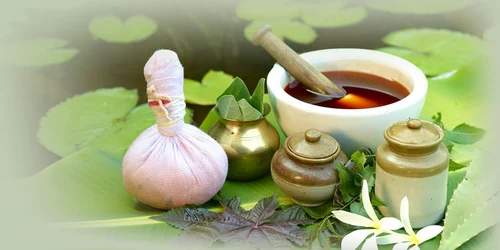
Treatment approach of POTS in Ayurveda
Diet and Nutrition:
- Favor Vata-pacifying foods: warm, cooked, and nourishing foods.
- Avoid stimulants and foods that aggravate Vata (dry, cold, raw foods).
Herbal Remedies:
- Ashwagandha (Withania somnifera): Supports the nervous system and improves stamina.
- Arjuna (Terminalia arjuna): Strengthens the heart and supports cardiovascular health.
- Brahmi (Bacopa monnieri): Enhances cognitive function and supports the nervous system.
Lifestyle Modifications:
- Establish a regular daily routine (Dinacharya) to stabilize Vata.
- Incorporate gentle yoga, pranayama (breathing exercises), and meditation to improve circulation and calm the nervous system.
- Ensure adequate rest and avoid overexertion.
Therapies:
- Abhyanga (Oil Massage): Daily self-massage with warm sesame oil to calm Vata and improve circulation.
- Svedana (Steam Therapy): Mild steam therapy to promote circulation and relaxation.
- Basti (Medicated Enemas): Specific herbal enemas to balance Vata, especially useful for chronic conditions.
Stress Management:
- Practice relaxation techniques such as meditation and mindfulness.
- Engage in activities that promote mental peace and reduce stress.
In the end…
It is crucial to consult with a qualified Ayurvedic practitioner to get a personalized treatment plan. The practitioner can tailor the diet, herbs, and therapies to suit your individual constitution and the nature of the imbalance, ensuring effective management of POTS within the Ayurvedic framework.