Can Ayurvedic therapies be combined with conventional medicine to treat JDM?
Yes, Ayurvedic therapies can potentially be combined with conventional medicines to treat Juvenile Dermatomyositis. Juvenile Dermatomyositis (JDM) is a rare autoimmune disease that predominantly affects children. Usually, its symptoms appear in children aged between 5 to 10 and this leads to inflammation in the muscles and skin. While the exact cause of JDM is still unknown, it is believed that both a child’s genetics and environment are significant factors in its cause. In simple terms, JDM is like a fire blazing within your child. And, conventional medication is like a fire extinguisher, extinguishing the flames to provide immediate relaxation.
Ayurveda, on the other hand, tries to figure out why the fire developed and helps to restore and maintain the balance to prevent future flare-ups. Yet, there is no cure for JDM. However, there are therapies to reduce or manage the symptoms. Additionally, there is a rising interest in combining Ayurvedic therapies with conventional treatments to improve the overall results. So, let’s take a deep dive and discover how this integration could result in active and healthy lifestyles.
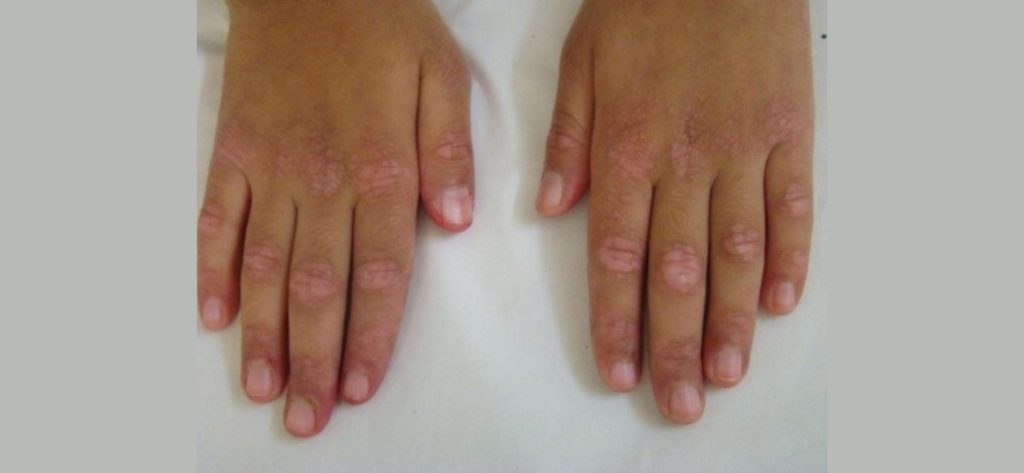
What is Juvenile Dermatomyositis (JDM)?
Juvenile dermatomyositis (JDM), as the name suggests, causes inflammation in your child’s skin, blood vessels, and muscles. Its common symptoms are muscle weakness and skin rashes. Juvenile dermatomyositis can cause muscle weakness that limits movements. Your child may have trouble standing up, climbing stairs, running, or even brushing their hair. Adults in their 40s and 50s may develop symptoms comparable to those of JDM. However, when symptoms appear later in life, it is referred to as dermatomyositis. Both JDM and dermatomyositis are types of myositis.
JDM starts affecting children below the age of 16, and it affects females twice as much as boys. The condition usually starts around the age of seven. A diagnosis of any disease that restricts your child’s daily activities might be painful. However, the therapy for JDM can effectively manage the symptoms and enhance your child’s overall quality of life.
Blending Conventional and Ayurvedic Therapies for Juvenile Dermatomyositis (JDM)
JDM can be difficult to treat, but the treatment focuses on reducing inflammation and improving your child’s overall health. While JDM might endure for years, combining treatments can significantly minimize symptoms. In the following section, we will look at how Ayurveda can work with conventional medicine and help your child’s JDM journey.
Category | Combined Approach | ||
Anti-inflammatory | Ashwagandha (Withania somnifera) lowers inflammation and increases immunity. It is available as a powder, capsule, or solution. When ashwagandha is combined with corticosteroids (prednisone), it reduces inflammation and allergic reactions. Haridra (turmeric) contains curcumin, which is a strong anti-inflammatory product. It can be used in the diet or as a supplement. When Haridra is combined with NSAIDs like ibuprofen and naproxen, it reduces pain and inflammation. | ||
Immunomodulatory | Guduchi (Tinospora cordifolia) improves the immune system and cures autoimmune diseases. It can be consumed as a decoction or in capsules. When used with immunosuppressants (methotrexate, cyclosporine), it strengthens the body’s immune response and reduces muscular inflammation. Amalaki (Phyllanthus emblica) is high in vitamin C, which promotes immunity and decreases oxidative stress. It can be consumed as a fruit, powder, or juice. When used with IVIG, it provides antibodies that help fight infections. | ||
Muscle strength & function | Bala (Sida cordifolia) strengthens the muscles and decreases inflammation. Generally, it is used in formulations or as massage oil. It is combined with physical therapy to improve overall muscle strength and flexibility, along with workouts and stretches. Yoga and Pranayama increase flexibility, reduce tension, and enhance general muscular function. One should practice it every day. When combined with occupational therapy, it helps patients with everyday tasks by adapting techniques and exercises. | ||
Skin health | Kumari (Aloe Vera) soothes and reduces inflammation. One can apply it topically or drink it as juice. When combined with topical corticosteroids, it helps to reduce skin irritation and rashes. It can be applied immediately to the afflicted skin regions. Nimba (Neem) has antibacterial and anti-inflammatory effects. You can use it as an oil or paste and apply it to the skin. When used along with sunscreen, it protects the skin from UV damage, which is critical for JDM patients due to their photosensitivity. | ||
Pain management | Guggulu (Commiphora mukul) helps to reduce pain and inflammation. One can consume it as pills or as a formulation. When used with paracetamol, it provides relief from mild to severe pain. Shunti (ginger) contains anti-inflammatory and analgesic effects. You can consume it with tea or supplements and include it in your diet. When ginger is combined with NSAIDs, it reduces pain and inflammation caused by ibuprofen and naproxen. | ||
Detoxification | Panchakarma (detox therapy) cleanses the body and eliminates toxins. It Includes remedies such as Virechana (purgation) and Basti (enema). Note: Conventional medicine does not typically use detoxification methods similar to Panchakarma. | ||
| Rasayana (rejuvenation therapy) enhances overall health and lifespan. This treatment consists of herbal compositions and practices such as Chyawanprash. When combined with nutritional support, it ensures that patients receive essential nutrition. A diet that includes antioxidants and anti-inflammatory foods improves overall immunity and decreases inflammation. It includes fruits, veggies, and whole grains. When combined with vitamin supplements, it provides the vital vitamins and minerals that are required in your body. |
Conclusion
In conclusion, while there is no treatment for JDM, there is hope for treating the symptoms and enhancing your child’s quality of life. Combining conventional medicine and Ayurvedic treatments such as Rasayana (rejuvenation therapy) and Panchakarma (detox therapy) can be an effective method. This combination can help to reduce inflammation, boost immunity, alleviate pain, and improve overall health. To achieve the best results, Ayurveda should be administered together with conventional medicine under the supervision of a Vaidya. Children with JDM can have a better future thanks to an integrated treatment that includes stronger bones and an active lifestyle. Would you like to explore more about JDM, or do you have any other questions? Let’s connect.